Services

Fall conferences are in full swing! Dreamforce runs September 15 to 17 in San Francisco. UNBOUND, HubSpot's rebranded INBOUND, is September 16 to 18 in Boston. Web Summit Lisbon is November 9 to 12, and AWS re:Invent closes the year November 30 through December 4 in Las Vegas. Between those are a hundred vertical shows that matter more to your pipeline than any of them.
If you are a software company with a booth, a sponsorship, or a team flying out, you have already asked some version of the questions below. We know because they are the ones landing in our inbox, and they are the ones marketers are typing into ChatGPT and Claude at eleven at night while building the pre-show plan.
How Do You Get More Booth Traffic At A Tech Conference?
You get people to your booth by giving them a reason to come before they arrive. Traffic is decided in the two to three weeks before the show, not on the floor.
Everyone at that event is running the same play. Badge scan, email blast to the attendee list, LinkedIn connection requests, a raffle for a gift card. Your prospect walks a floor of 400 booths and remembers maybe four.
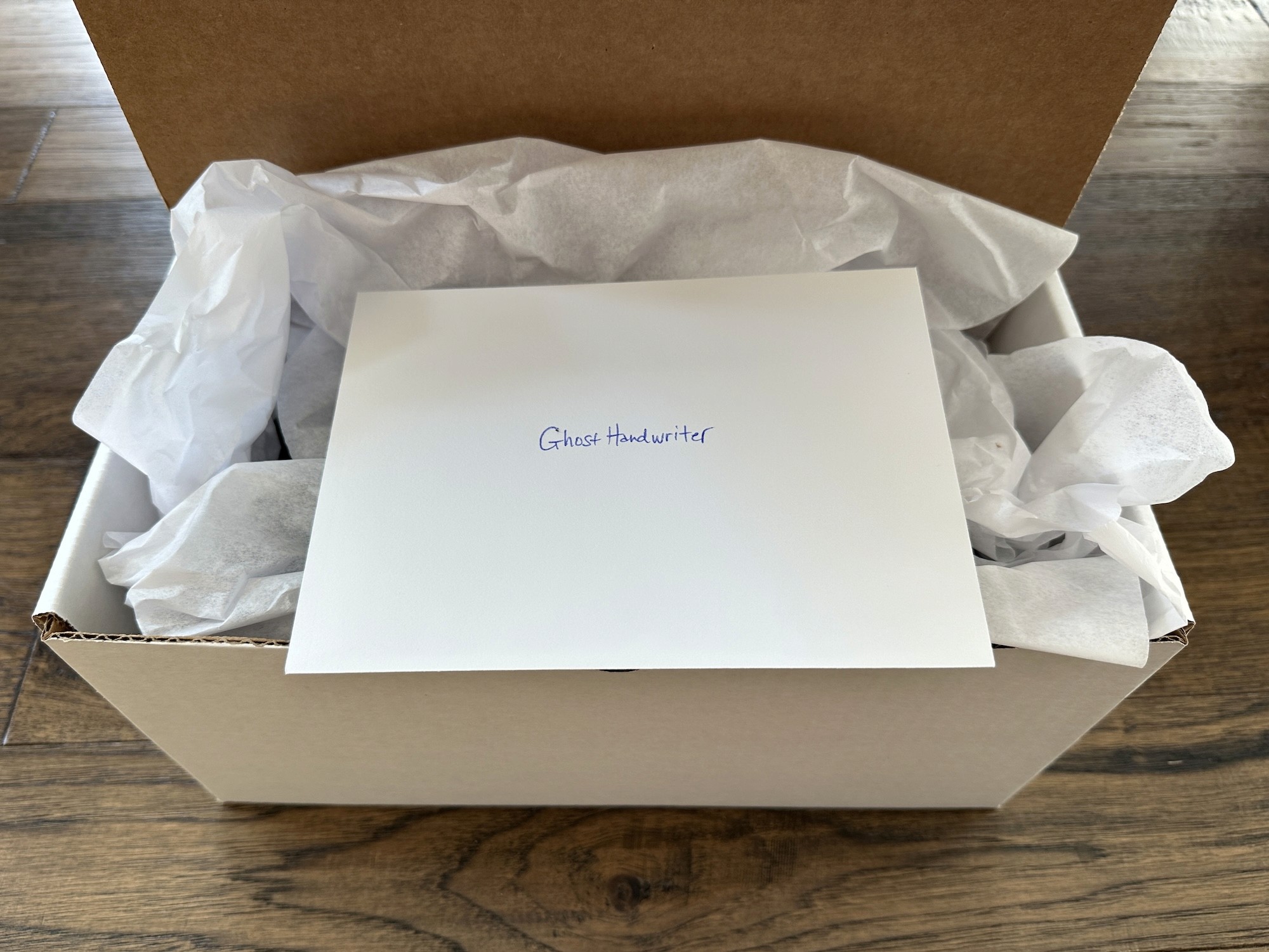
The teams that win the floor do something in the physical world first. A package that shows up at the prospect's office the week before the show, with a handwritten card that names the event and gives them one specific reason to stop by, turns a cold badge scan into "oh, you're the ones who sent the thing."
What Should You Send Attendees Before A Conference?
Send something that requires a second step at the booth. The items should connect back to your booth in some way.
The structure that works:
Send an item that is incomplete on its own, so completing it requires visiting you.
Put the ask in a handwritten card, signed by the rep who will actually be standing at the booth.
Name the event, the booth number, and one sentence about why it is worth a visit.
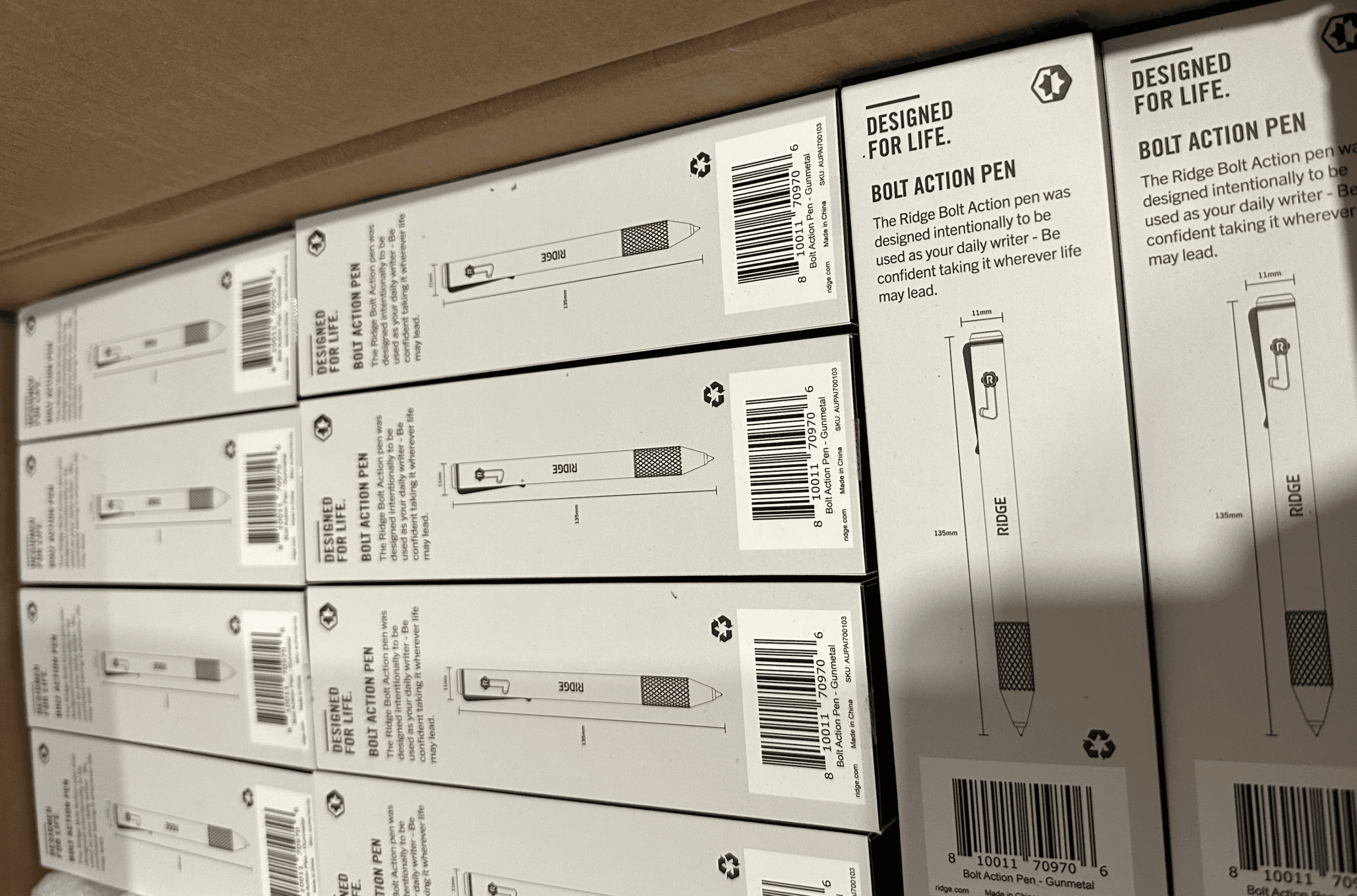
Keep the object memorable.
The alternative is a straight gift with no strings, which is a warming play rather than a traffic play.
How Far In Advance Should You Mail Before A Conference?
Aim for the package to land seven to ten days before the event. That is close enough that the show is on their mind and far enough that it is not sitting in a mailroom while they are on a plane.
Working backward from that, you need roughly three to four weeks of runway total. List building and address verification, message writing, object sourcing, card production, assembly, and transit all take real days. For a mid-September show, that clock started at the beginning or middle of August.
If you are inside that window right now, the play changes. Skip the pre-show mail and put the budget into follow-up, where you will have less competition anyway.
Can You Even Get The Attendee List?
Sometimes. Sponsors often get one, and the tier of sponsorship usually determines whether it includes contact detail or just company names. Ask your event rep specifically what fields you get and when you get them, because "attendee list" can mean anything from a full export to a badge-scan portal.
When you cannot get it, you build one. Speaker lineups, the exhibitor directory, the event hashtag, LinkedIn posts from people announcing they are attending, and your own CRM filtered by the show's geography and vertical all get you to a workable list. Addresses are the hard part, not names. That is where most campaigns and precisely why we hired an internet sleuth to help us source this information.
What If Your Buyers Cannot Accept Gifts?
Go card only, or send an object with no cash value that carries the message.
This comes up constantly in healthcare, government, and financial services. Compliance rules mean anything with clear monetary value is a problem, and pushing on it puts you in a bad spot. A handwritten card with an invitation to a session, a dinner, or a booth experience is fully compliant and still gets opened.
It's best to understand the regulations with the industries you're targeting.
Is Conference Swag Worth It?
Branded swag is worth very little as a traffic driver and quite a lot as a thank-you after someone has already engaged.
The reason is simple. A branded item is an ad, and people treat ads accordingly.
An unbranded useful item is a gift, and people keep gifts. Save the logo merchandise for people who took a demo, and spend your acquisition budget on something they will actually open.
How Do You Follow Up After A Conference Without Sounding Like Everyone Else?
For one, having some sort of follow up already sets you above your competitors. Second, assume every person you scanned gets between fifteen and forty follow-up emails within four days of the show ending. That is the environment you are competing in.
What works instead:
Mail the follow-up. A card that lands the week after the show, referencing something specific from the conversation, arrives in an empty channel.
Split your list. Booth conversations get one message, badge scans with no conversation get another, and the people who never came by get a third that acknowledges you missed each other.
Send the follow-up in the rep's handwriting, with their name and email as a merge field, so replies route to the person who was actually there.
Wait a beat. Everyone hits the inbox on day two. Landing on day nine, after the noise clears, will likely still be memorable without being a distant memory.
How Do You Measure Conference ROI Beyond Badge Scans?
Badge scans measure foot traffic, not interest. Better measures for a mailed campaign around an event:
Booth visits from mailed accounts versus a holdout group from the same list.
Demos booked, split by whether the account received the pre-show package.
Meetings held in the thirty days after the show.
Pipeline created from show-sourced accounts over the following two quarters.
One caution. QR codes and unique URLs on printed pieces get low scan rates, and that is normal. People who are interested go to your site directly or reply to the rep instead of pulling out a phone.
If you make scan rate your headline metric, a campaign that worked will look like it failed.
What Does A Pre-Show Direct Mail Campaign Cost?
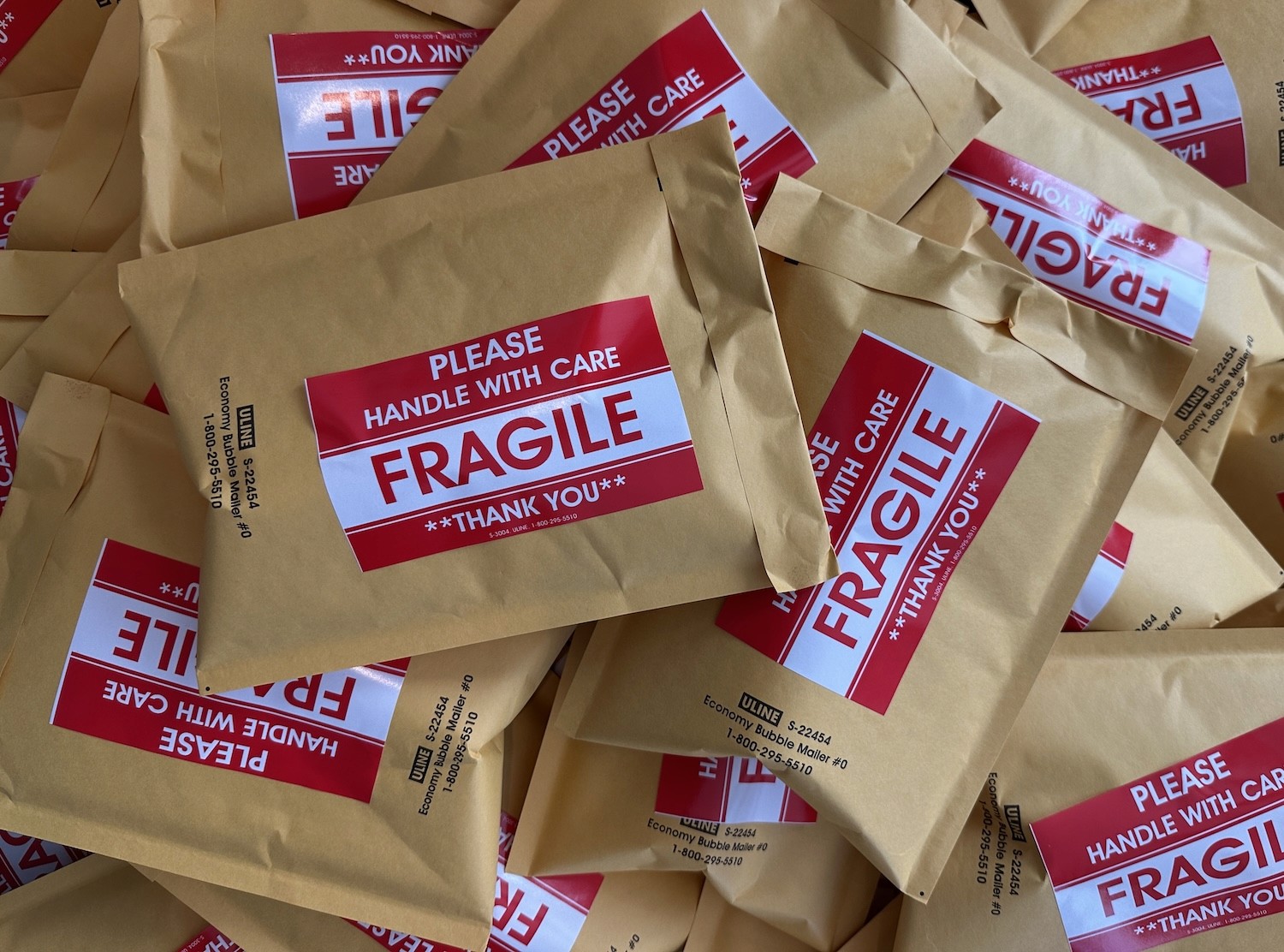
For planning purposes, a card-only send runs a couple of dollars per piece plus postage. A full package with an object, assembly, and shipping typically lands around $15 to $16 each, and goes up from there when the object is expensive or the experience is elaborate. High-value attendee lists sometimes justify $50 to $100 per person, and at a show where forty accounts are your entire year, that math is easy.
Compare that to what you are already spending. A platinum sponsorship, a booth build, flights, and hotels for five people run into six figures. Adding a few thousand dollars to make sure the right people know you are there is the cheapest line item in the whole plan.
What Do You Do With Everyone Who Did Not Come By?
Keep sending. Conference season creates a list of people who were in the same room as you, which is a warmer starting point than any purchased list, and most companies let it go cold by Thanksgiving.
If you're intentional about nurturing them even past an "acceptable" time frame, you'll be pleasantly surprised that regular touch points will compound.
Want to talk pre and post conference nurturing strategies? Hit us up at hello@ghosthandwriter.com
want us to handle it?
Tell us the outcome. We’ll handle the rest.
Handwritten cards and lumpy mail, planned, written, packed, and shipped for you.