Services

Your team is spread across four states. Your client list is 400 people long. And the plan, apparently, is for your marketing manager to turn her living room into a fulfillment center for two weeks in December.
Sounds like fun…for everyone except the marketing manager.
If your company is fully remote, there's no office to receive pallets, no break room to stage boxes, and no team to form an assembly line. Here's how remote teams actually get holiday gifts out the door without anyone's dining table becoming a warehouse.
Why Can't Your Marketing Person Just Pack the Gifts at Home?
She can. For about 25 people.
Packing one gift with a card, a label, and a trip to the post office takes roughly 10 minutes when everything goes right. At 300 recipients, that's 50 hours of packing before anyone has ordered inventory, cleaned up the address list, or chased down the boxes that came back.
And that's 50 hours of her actual job not getting done during one of the busiest stretches of the year.
Even if she had the time, she probably doesn't have the setup. A real fulfillment operation needs:
A label printer
A shipping workflow
Space to store everything
Packing supplies: boxes, filler, tape, and mailers in the right sizes
Add personalized gifts and handwritten cards to the mix, and every package becomes its own little project. Matching the right gift and the right note to the right person, 300 times, is a logistical nightmare.
A few other things that people don't account for:
Hundreds of boxes show up at one home address, usually the same week the kids are home for break
The handwritten note gets cut because nobody has time to write 300 of them, so the gift shows up with a printed slip or nothing at all
Shipping gets rushed, packaging gets skimped, and gifts arrive dented or late
And these are clients you're trying to impress, so what kind of impression do you want to make?
What Are Your Options When Nobody Is in the Office?
Remote teams usually land on one of three routes.
Do it yourself. Ship everything to one person and have them pack it. Acceptable for a smaller list of under 25.
Use a gifting platform. Platforms like Sendoso, Goody, or Snappy take shipping off your plate. The tradeoff is you're picking from their catalog, so the gifting is limited and the notes are digitized.
Hand it to a full-service partner. You share the goal, the list, and the budget. They handle the gift, the handwritten note, the packing, and the shipping. Your team never touches a box.
If the point of the gift is to make clients feel remembered, option three is the best bet.
What Does a Fully Outsourced Holiday Gift Campaign Look Like?
It starts with the goal, not the gift.
Are you thanking your best clients? Reconnecting with past clients who went quiet? Showing referral partners you noticed? Each of those calls for a different gift and a different message.
From there, it's about how you want the recipient to feel when they open it. Remembered. Appreciated. Maybe a little surprised you knew they just opened a second location.
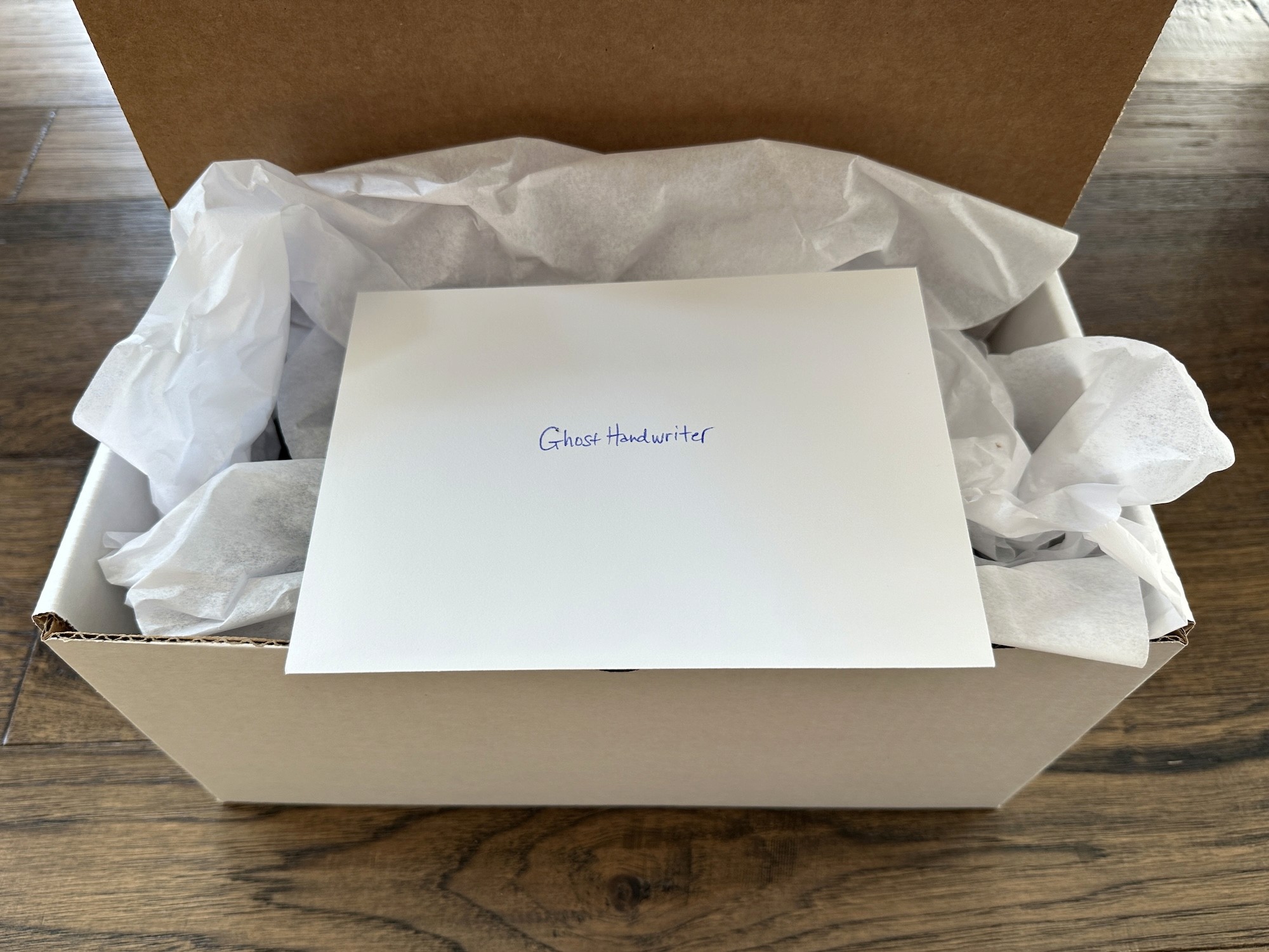
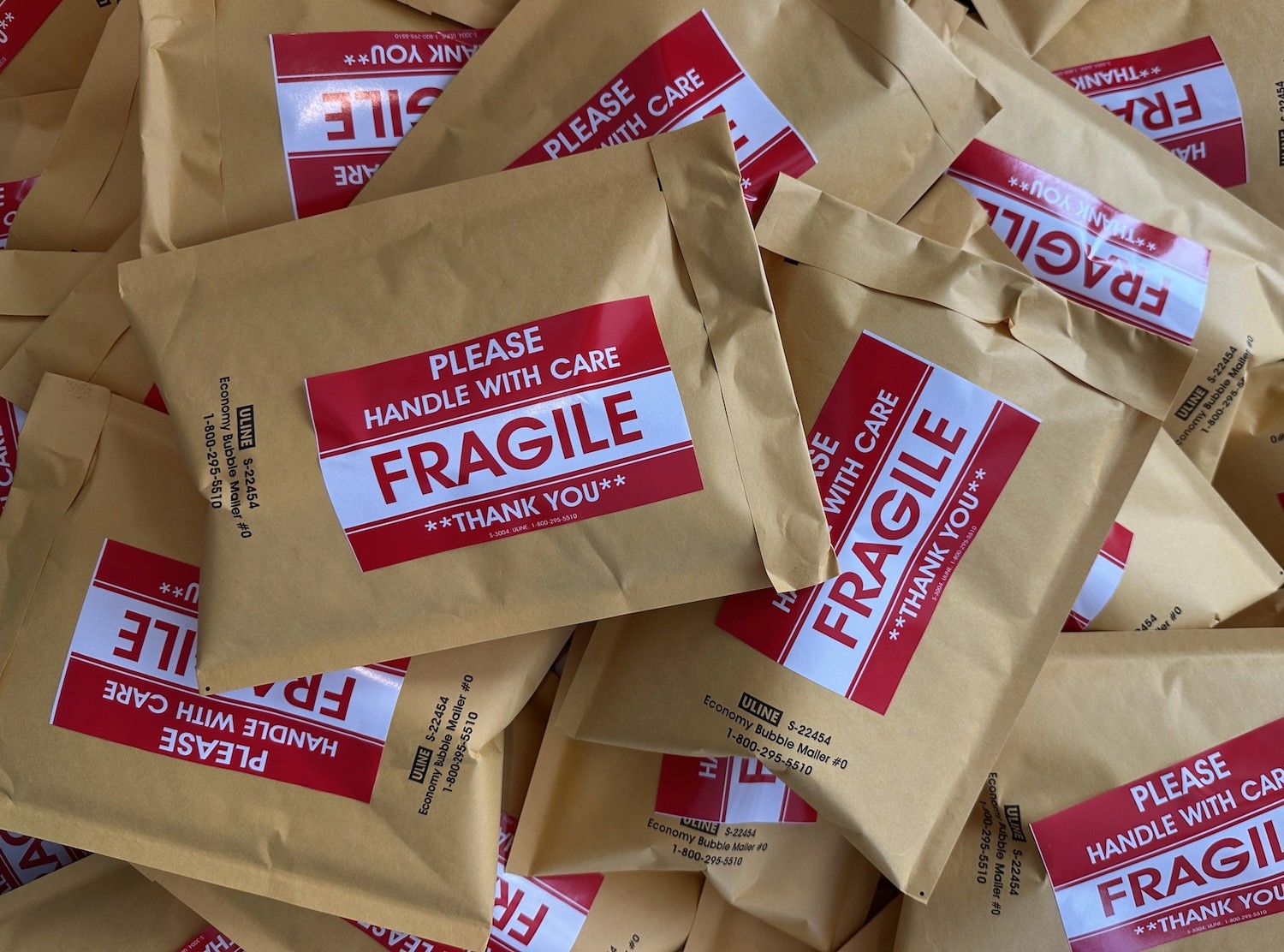
At GhostHandwriter, that's where we start every holiday campaign. We help you land on the right gift for the relationship, write a note that looks and feels handwritten, and pair the two so they tell one story. Then we assemble, pack, and ship everything from our shop, with delivery tracking so you know what landed.
Your remote team's job is to approve it (and supply the mailing list). That's it.
We've shipped more than 40,000 gifts paired with handwritten cards, so we know the best gifts that clients appreciate.
What Does Your Team Actually Need to Send Over?
Less than you'd think.
Who it's going to. Names, companies, and mailing addresses. If the list isn't clean yet, a headcount is enough to start ordering.
What each relationship is worth. A budget of $5 to $50 per gift, scaled to the account.
Who's signing. Usually the person who works with that client most closely, not a CEO they've never met.
What you want to happen. Thank them, bring them back, or keep the referrals coming.
The address list is almost always the bottleneck so start exporting those names from your CRM now.
What Should the Holiday Card Say?
Thank you. And then stop.
The most common mistake is the soft sell. "Let us know if you need anything." "Looking forward to more business in the new year." It feels harmless, but it turns a thank-you into a pitch.
Keep it to gratitude, tie in the gift, and sign it from someone the client actually knows.
For closer relationships, add a personal PS line. "Hope you're enjoying the new puppy" goes further than any gift in the box.
As for the greeting, Happy Holidays is the safe default. Merry Christmas works when you know your list celebrates it.
When Do You Need to Get Started?
Probably this week if we're being honest.
For custom or engraved gifts, plan to have your order in by the end of November. For everything else, gifts need to be moving by the first week of December. Holiday shipping is unpredictable, and carriers don't care about your client list.
Already behind? Send a New Year's gift instead.
A gift that arrives the first week of January has no competition in the mailbox. It also gets you out of the Christmas vs. Happy Holidays debate entirely. And your client will actually have time to open it.
want us to handle it?
Tell us the outcome. We’ll handle the rest.
Handwritten cards and lumpy mail, planned, written, packed, and shipped for you.